



Haomei Aluminum supplies aluminum alloy strip materials for manufacturers producing aluminum cable shielding tape. Our materials are used as conductive layers in selected cable shielding constructions, where electrical properties, dimensional consistency and reliable processing are important.
Available alloy options include 5052, 5154 and 5154A, with material temper, thickness, slit width and coil configuration reviewed according to the intended cable design.
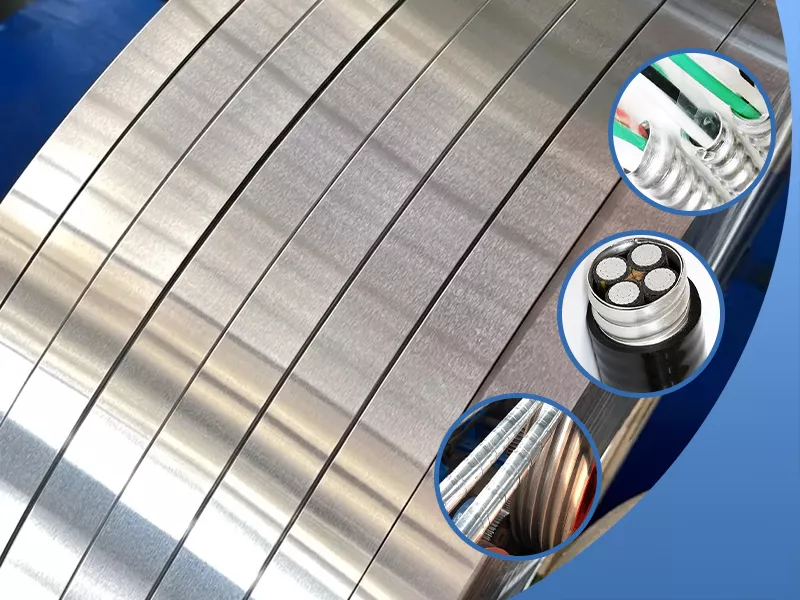
What Is Aluminum Shielding Tape?
Aluminum alloy cable shielding tape is a conductive metal material used in cables to reduce electromagnetic (EMI) and radio-frequency interference (RFI).
Depending on the cable design, aluminum shielding material can be applied longitudinally or helically around the cable core. Tape may overlap at the seam to maintain the intended shielding coverage. Some constructions use a single layer of aluminum strip, while others use aluminum foil laminated with PET film or another polymer layer. In these laminated constructions, the aluminum layer provides the conductive part of the structure, while the film and any adhesive layers serve their specified bonding or insulation functions.
The shielding layer helps reduce unwanted electromagnetic interference when properly integrated into the cable structure. Its effectiveness depends on more than the aluminum material alone. Shield continuity, coverage, overlap, electrical contact and grounding arrangements all influence the final cable performance.
For manufacturers, selecting the right aluminum alloy strip involves balancing electrical requirements with mechanical properties, forming behavior and the requirements of the downstream converting equipment.
Different Forms of Aluminum Shielding Material
| Material Form | Typical Structure | Haomei Supply Scope |
| Bare Aluminum Strip | Single layer of aluminum or aluminum alloy strip | Aluminum raw material in coil or precision-slit strip form |
| Aluminum-PET Laminated Foil | Aluminum layer laminated with PET film | Aluminum layer raw material; lamination needs to be arranged separately unless agreed |
| Adhesive-Backed Aluminum Tape | Aluminum material with a pressure-sensitive adhesive or other adhesive layer | Finished adhesive coating is a separate converting process unless specifically included in the supply agreement |
Shielding Tape vs. Cable Armoring Strip
| Material | Main Function | Important Considerations |
| Aluminum Shielding Tape | Conductive layer used in selected cable designs for electromagnetic interference control | Conductivity, shielding coverage, continuity and grounding arrangement |
| Aluminum Cable Armoring Strip | Mechanical protection around a cable | Strength, formability and armor structure |
| Aluminum-PET Composite Foil | Laminated shielding construction | Aluminum layer, PET bonding and converting requirements |
Aluminum shielding tape and aluminum cable armoring strip are not interchangeable by default. Their alloy, temper and dimensions should be selected for the cable's electrical and mechanical design.
Aluminum Alloys for Cable Shielding Tape
The aluminum alloy used for cable shielding tape affects the material's electrical characteristics, mechanical strength, bending behavior and compatibility with downstream processing.
Haomei offers selected 5xxx series aluminum alloy strip options for cable-related applications. The appropriate grade and temper depend on the cable construction, required material properties and converting process.
5052 Aluminum Alloy Strip
5052 aluminum strip can be considered for cable constructions where mechanical strength, corrosion resistance and forming characteristics are important.
When selecting 5052 for shielding applications, the specified electrical conductivity, thickness, temper and required bending performance should be reviewed together.
5154 Aluminum Alloy Strip
5154 aluminum alloy strip is available for cable projects specifying this alloy grade.
Material selection should consider the required mechanical properties, strip dimensions, electrical requirements and the processing conditions of the shielding tape production line.
5154A Aluminum Alloy Strip
5154A aluminum alloy strip is another option for customers with specific cable material requirements.
Haomei can review the required temper, thickness, slit width and coil configuration against the customer's technical specification before production.
Alloy Selection Comparison
| Alloy | Main Selection Considerations | Suitable Project Requirements |
| 5052 | Mechanical strength, corrosion resistance and forming requirements | Projects specifying 5052 alloy |
| 5154 | Mechanical properties and specified alloy requirements | Projects requiring 5154 |
| 5154A | Mechanical properties and cable design requirements | Projects requiring 5154A |
| Other Aluminum Grades | Electrical conductivity, mechanical properties and processing compatibility | Special material specifications, subject to technical confirmation |
Technical selection note: 5052, 5154 and 5154A should not be described as universal high-conductivity choices. Electrical conductivity, strength and elongation vary by alloy and temper. Where conductivity is a primary acceptance criterion, confirm the required value and test method before choosing the alloy. Other grades, such as 1060, may be reviewed for projects with different conductivity and mechanical requirements; see 1060 Aluminum Strip.
Aluminum Cable Shielding Tape Specifications
| Specification | Available Options / Requirements |
| Product | Aluminum Alloy Strip for Cable Shielding |
| Alloy | 5052 / 5154 / 5154A; other grades subject to technical review |
| Temper | O / H32 / H24, subject to alloy and specification confirmation |
| Thickness | Customized according to cable design and confirmed material specification |
| Width | Customized slit width according to the cable design and converting equipment |
| Thickness Tolerance | According to the agreed specification |
| Width Tolerance | According to the agreed specification |
| Edge Condition | Precision slit edge / specified edge condition; burr limit to be agreed |
| Surface | Mill finish or another agreed surface condition |
| Coil ID | Customized to match the customer's decoiler or converting equipment |
| Coil OD | Customized according to order and handling requirements |
| Coil Weight | Customized according to production-line requirements |
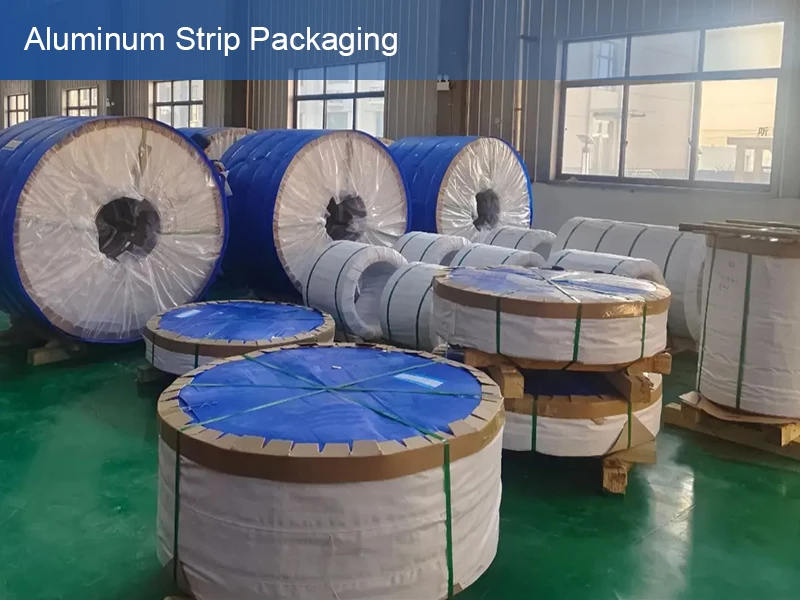
| Packaging | Moisture-resistant export packaging with coil and edge protection as required |
| MOQ | To be confirmed according to alloy, dimensions and order requirements |
| Sample | Subject to specification, availability and sample arrangement |
Thickness and Width Selection
Aluminum strip thickness and width need to match the shielding structure and the customer's converting equipment.
An unsuitable thickness can affect bending behavior, wrapping consistency and the material's mechanical performance. Strip width also needs to match the required cable coverage and production-line configuration.
Before confirming an order, Haomei reviews the specified thickness, thickness tolerance, slit width and width tolerance with the customer.
Coil Dimensions and Rewinding Requirements
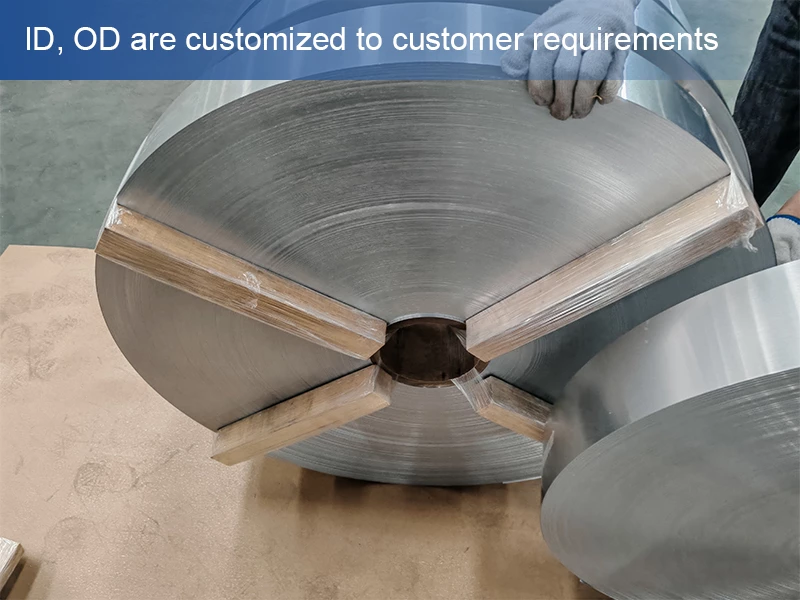
The coil configuration is another important purchasing consideration. For continuous cable production, customers may specify paper core inner diameter, coil outer diameter, coil weight, winding direction, coil stability, tension requirements and packaging details.
Haomei can review custom slitting and rewinding arrangements according to the customer's production equipment.
How to Choose the Right Aluminum Shielding Tape Material
Electrical Conductivity Requirements
Electrical conductivity is one of the first considerations when selecting aluminum material for cable shielding.
The required conductivity depends on the cable construction and its electrical performance targets. Alloy composition and temper influence the material's electrical and mechanical properties.
For projects with strict conductivity requirements, the specified electrical values and test methods should be confirmed before selecting an alloy.
Thickness and Dimensional Consistency
Consistent thickness helps maintain a uniform metallic layer during wrapping or subsequent lamination.
Thickness variation can affect the material's handling characteristics and the consistency of the converted shielding structure.
Haomei reviews thickness tolerances according to the agreed product specification rather than assuming a generic tolerance is suitable for every application.
Slit Width and Edge Quality
For narrow aluminum shielding strips, slit width and edge condition directly affect downstream processing.
- Uneven feeding during continuous production.
- Edge damage during wrapping.
- Material handling difficulties.
- Inconsistent strip alignment.
- Problems during subsequent lamination or converting.
At Haomei, we pay particular attention to slit width consistency, burr condition and edge quality when processing aluminum strip for cable applications.
Surface Condition and Lamination Compatibility
Surface condition needs to be matched to the intended shielding construction.
For bare aluminum shielding material, the customer may prioritize surface cleanliness and material consistency. For aluminum-PET laminated shielding tape, the aluminum surface must also be compatible with the specified bonding process.
Before production, the customer should clarify whether the material will remain bare, undergo polymer lamination or receive another surface treatment.
Coil Configuration and Continuous Production
A technically suitable aluminum alloy strip can still cause production problems when its coil configuration does not match the customer's equipment.
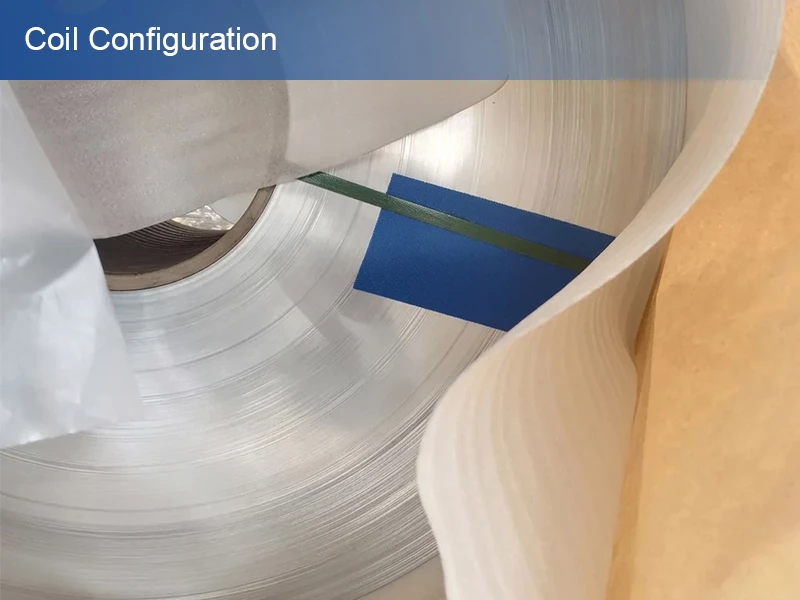
Coil ID, OD, weight and winding stability should be discussed before order confirmation. Haomei reviews these details as part of the material specification to help customers reduce unnecessary rewinding and handling operations.
Haomei Manufacturing and Quality Control for Aluminum Cable Shielding Tape
At Haomei Aluminum, we understand that aluminum strip used for cable shielding is not simply a matter of supplying the correct alloy grade.
The material also needs to run consistently through the customer's slitting, laminating or cable wrapping equipment.
Our production and inspection work focuses on dimensional accuracy, edge condition, surface quality and coil configuration. These details help customers maintain more stable downstream processing and reduce material-related production interruptions.
Thickness and Width Inspection
Dimensional consistency is particularly important for narrow aluminum strip used in cable shielding. Haomei focuses on aluminum strip thickness, thickness variation across the strip, slit width accuracy, width consistency along the coil and compliance with agreed tolerances.
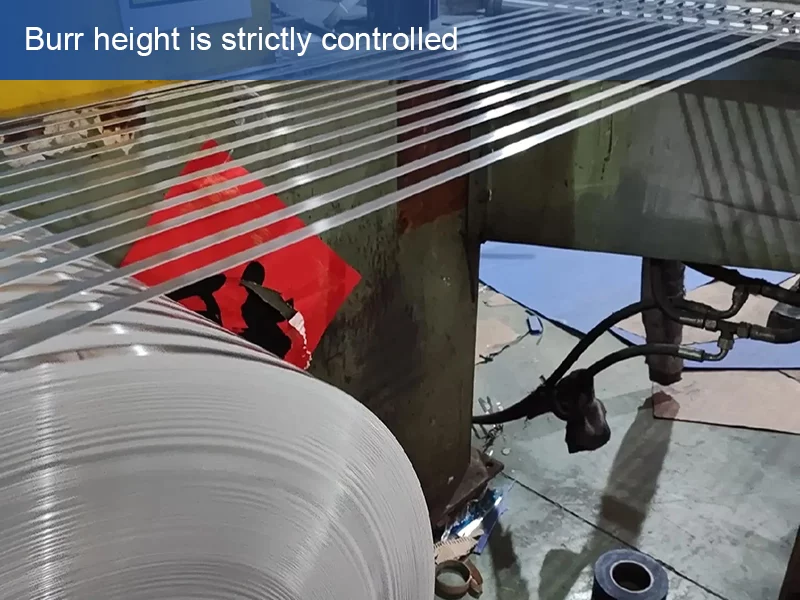
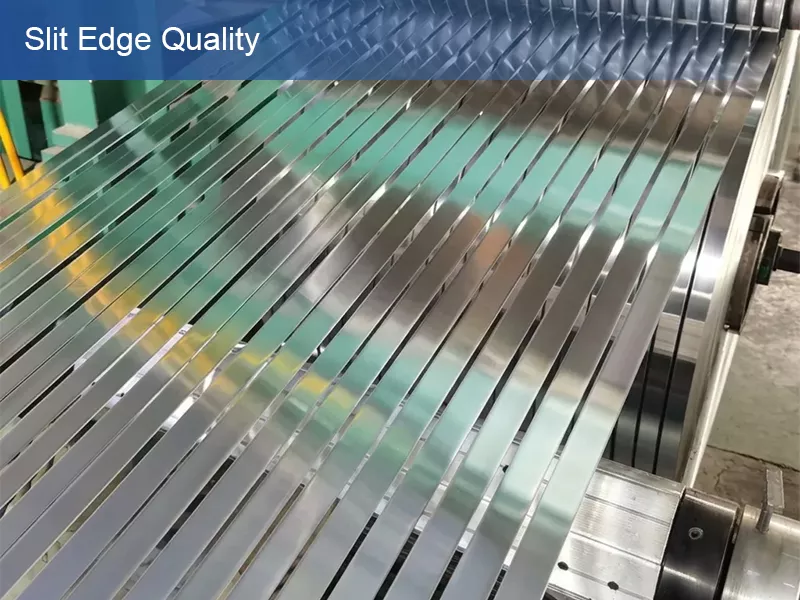
Slit Edge and Burr Control
At Haomei, we pay close attention to slit edge condition and burr control during aluminum strip processing. Excessive burrs, irregular cutting edges or damaged strip sides may interfere with continuous feeding and subsequent cable manufacturing operations.
Surface Quality Inspection
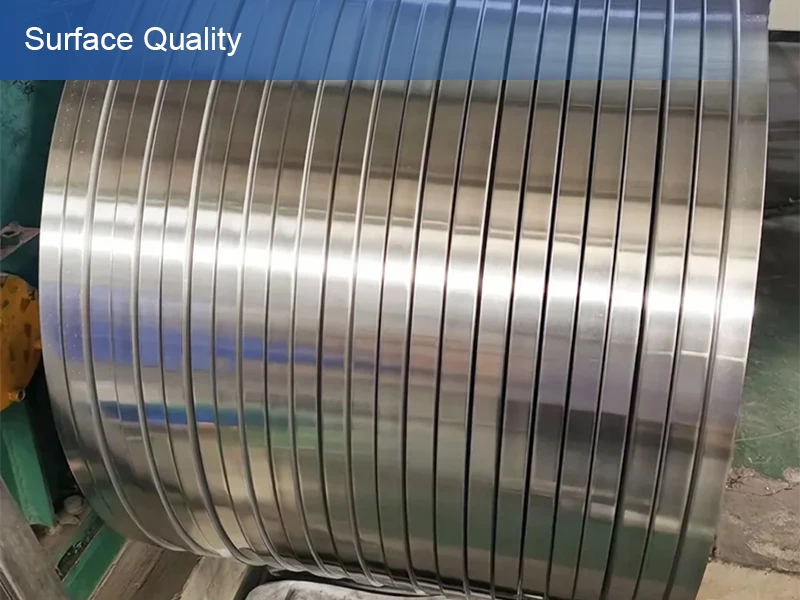
The aluminum strip surface is checked according to the agreed surface requirements. Inspection focuses on visible defects such as scratches, contamination, oil marks and other conditions that may affect downstream processing or lamination.
Rewinding and Coil Quality
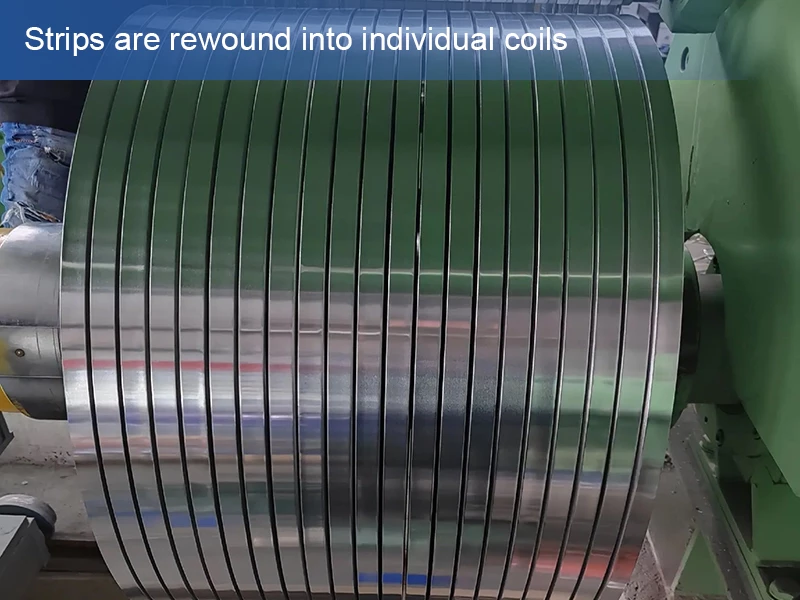
After slitting, aluminum strips can be rewound according to the customer's required coil configuration. We review coil dimensions, winding condition and packaging requirements to help ensure the material can be handled and fed properly on the customer's production line.
Applications of Aluminum Cable Shielding Tape
Aluminum shielding materials are used in different cable constructions where a conductive metallic layer is required to help control electromagnetic interference. The exact material structure depends on the cable design, electrical requirements and manufacturing process.
Communication Cables
Aluminum shielding materials may be incorporated into selected communication cable structures to help reduce electromagnetic interference and maintain signal integrity.
Power and Control Cables
In selected power and control cable constructions, aluminum shielding layers are used according to the required electrical and structural design.
Solar and New Energy Cables
Solar and other new-energy cable projects may require lightweight conductive shielding materials. Aluminum alloy strip can be evaluated according to the cable's electrical requirements and environmental conditions.
Industrial and Instrumentation Cables
Some industrial and instrumentation cable designs use metallic shielding layers to help control interference in electrically noisy environments.
Precision Slitting and Rewinding for Aluminum Shielding Tape
For cable shielding tape manufacturers, aluminum strip width and coil configuration are closely related to production efficiency.
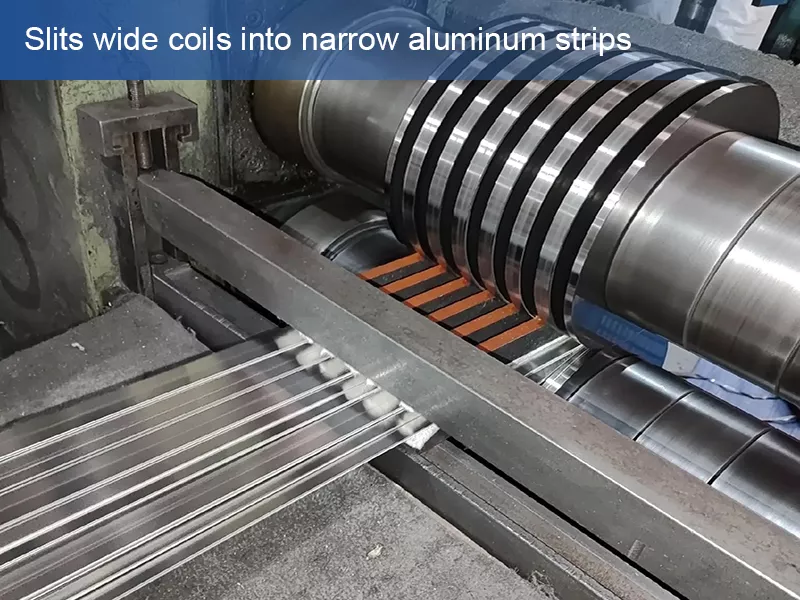
Haomei processes wider aluminum coils into narrower strips according to the required dimensions. The slit material can then be rewound into coils suitable for the customer's production equipment.
Our processing considerations include slit width, edge condition, coil ID, coil OD and winding arrangement.
Custom Slit Width
We review required strip dimensions and width tolerances according to the customer's technical drawing or purchase specification.
Controlled Slit Edge Quality
We pay attention to burrs, edge damage and cutting consistency during the slitting process.
Custom Rewound Coils
Coil weight, inner diameter, outer diameter and winding configuration can be discussed according to the customer's feeding and converting equipment.
For related cable strip formats and processing options, see Aluminum Strip for Cable Armoring and 5052 Aluminum Strip.
Customers comparing cable material formats can also review the interlocking aluminum strip and rewound aluminum alloy strip options listed in Haomei's cable aluminum range.
What Information Is Needed for an Aluminum Cable Shielding Tape Quote?
To avoid specification mismatches and unnecessary communication during procurement, we recommend confirming the following details before ordering aluminum material for cable shielding tape production.
| Information | Details to Provide |
| Application | Communication / Power / Solar / Industrial Cable |
| Alloy | 5052 / 5154 / 5154A / Other Specified Alloy |
| Temper | Required Temper or Mechanical Properties |
| Thickness | Required Aluminum Base Material Thickness |
| Thickness Tolerance | Maximum Permissible Variation |
| Strip Width | Required Finished Slit Width |
| Width Tolerance | Allowed Width Variation |
| Edge Condition | Slit Edge / Required Burr Limit |
| Surface | Bare / Specified Surface Condition |
| Processing | Bare Strip / PET Lamination / Other Converting Process |
| Coil ID | Required Core Diameter |
| Coil OD | Maximum Coil Outside Diameter |
| Coil Weight | Required Weight per Coil |
| Quantity | Trial Order / Monthly Requirement / Annual Demand |
| Quality Documents | Material Certificate / Inspection Requirements |
FAQs About Aluminum Cable Shielding Tape
What is aluminum cable shielding tape used for?
Aluminum cable shielding tape is used as a conductive metallic layer in selected cable constructions. It helps reduce electromagnetic interference (EMI) and radio-frequency interference (RFI).
What is the difference between aluminum cable shielding tape and aluminum cable armoring strip?
Aluminum shielding tape provides a conductive layer for electromagnetic interference control. Aluminum cable armoring strip mainly protects cables against external physical damage.
Their alloy selection, mechanical requirements and processing conditions are different, so the two materials are not automatically interchangeable.
Which aluminum alloys are suitable for cable shielding tape?
The suitable alloy depends on electrical conductivity, mechanical properties and the intended cable construction.
Haomei offers selected 5xxx series aluminum materials, including 5052, 5154 and 5154A, for cable-related applications. The final alloy and temper should be confirmed according to the project specification.
Can Haomei supply aluminum strip for aluminum-PET shielding tape?
Haomei supplies aluminum raw material for the metallic layer in aluminum-PET composite shielding tape. PET lamination and final composite converting are arranged separately unless included in the confirmed supply agreement.
Why is slit edge quality important for aluminum shielding tape?
Consistent slit edges help prevent feeding and wrapping problems during processing. Excessive burrs or damaged edges may affect material handling and continuous production.
Can aluminum cable shielding tape material be supplied in customized widths?
Yes. Haomei can review customized slit widths according to cable design and equipment requirements. Available dimensions and tolerances should be confirmed before production.
What coil specifications should be confirmed before ordering?
Customers should specify coil ID, OD, weight, winding requirements and packaging preferences to ensure compatibility with the downstream production line.
Does Haomei supply finished adhesive aluminum shielding tape?
Haomei focuses on aluminum alloy strip and foil raw materials. Adhesive coating, PET lamination and other finished tape converting requirements should be discussed separately.
Contact Haomei for Aluminum Cable Shielding Tape Material
Looking for a reliable aluminum material supplier for your cable shielding tape production?
Further reading: Aluminum Strip for Cable Armoring